Make space for more than the bin.
A practical checklist for container footprint, truck access, driveway protection and street placement.
Editorial guidance · Sources checked November 6, 2026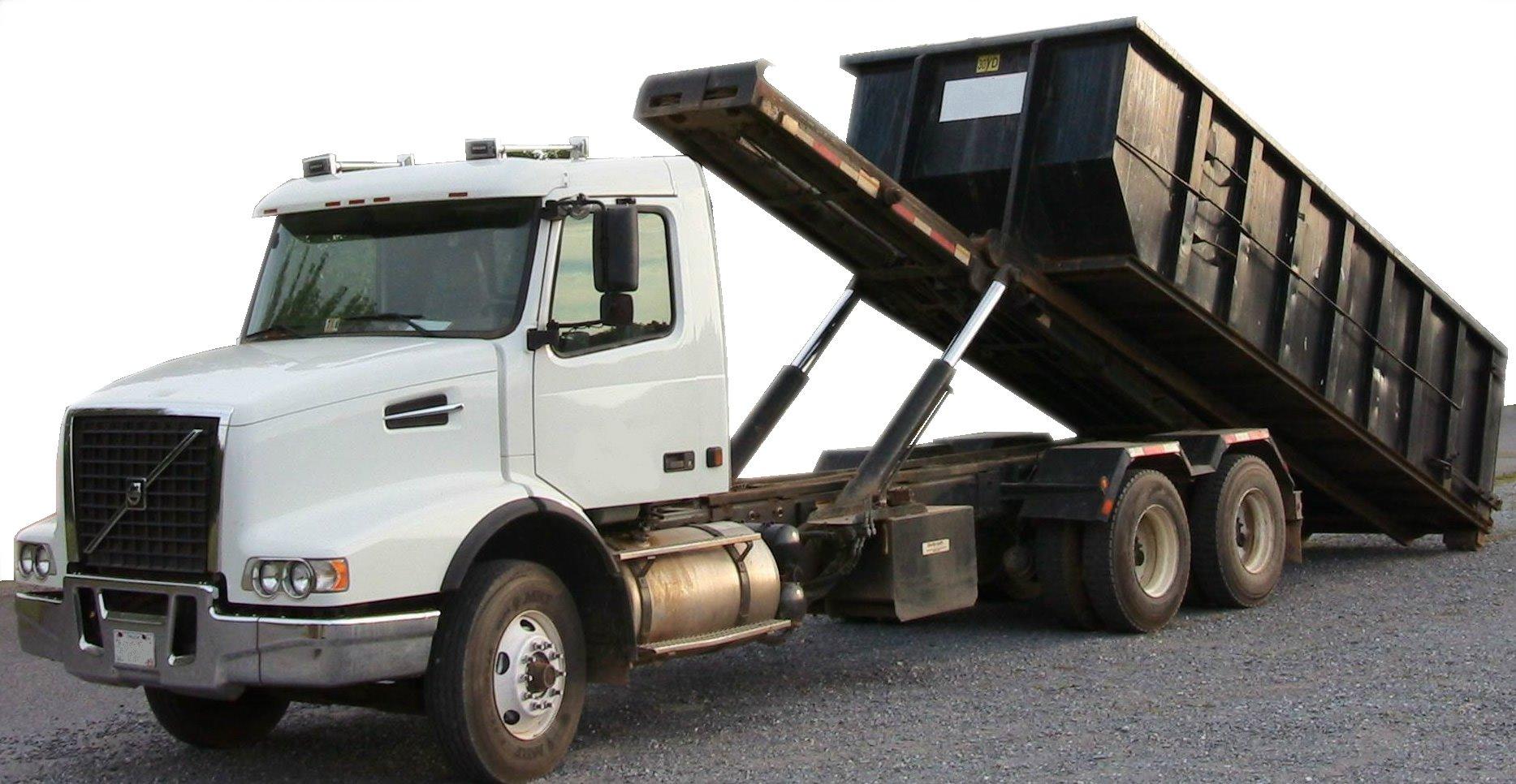

Measure the container and the approach
A dumpster’s footprint is only part of the space requirement. The truck needs a usable approach and room to position, lower and collect the container. Overhead wires, tree branches, steep slopes, soft ground and tight turns can make an otherwise large space unsuitable.
Ask for the actual container dimensions and the delivery truck’s required length, width and vertical clearance. Use photos or a site sketch to confirm the approach. Keep the delivery path clear of vehicles and stored materials, and agree where the opening door will face.
Typical dimensions are a starting point
Connecticut DEEP’s example guide lists a 20-yard container at 22 feet long, 7.5 feet wide and 4.5 feet high. Providers use different designs, so the container delivered to you may differ. Our size explorer uses that guide’s typical dimensions; it cannot certify driveway fit.
If you plan to walk materials through the rear door, include room for the door to swing and for safe loading. Ask how the hauler protects the surface and what limitations apply to pavers, new asphalt, sloped drives or buried structures. Never assume protective boards eliminate all damage risk.
A street is a separate permission question
Public streets, alleys, sidewalks and park strips can require municipal approval. Rules vary by address and may include insurance, traffic control, pedestrian clearance, reflective markings or limits on duration. Check the jurisdiction first: a postal city name does not prove the property is inside that city.
Decide who applies for the permit before booking. For example, the reviewed Roanoke form identifies the dumpster company as applicant and calls for at least ten calendar days before street placement. Spokane’s rules also distinguish the city service area from outside-city suppliers. Follow the local guide and current municipal instructions.
Plan for pickup too
Keep the route clear until collection is complete. Ask whether pickup is automatic or requires a request, what notice is needed, and whether weekends count in the rental period. A blocked truck or an overfilled container can create additional charges.
Photograph the agreed placement and keep the written rental terms. If your schedule changes, ask the provider to confirm the new collection date and extension cost.
Sources & further reading
- Connecticut DEEP — Typical container dimensions ↗Checked November 6, 2026
- Local sources and checked placement guidance ↗Checked November 6, 2026
Rent the right
dumpster.
Compare dumpster sizes and local options. Check the full price and book directly with your chosen supplier.
Find my dumpster Free to use. No signup or sales calls.